
Mechanical Vapour Recompressors (MVR)
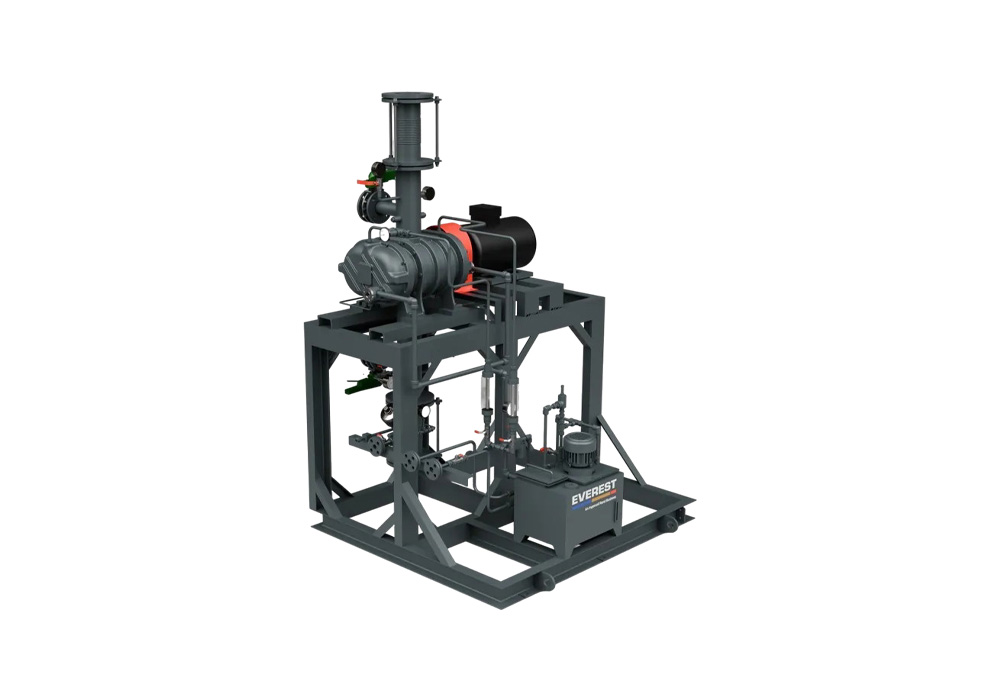
Introduction
Key Benefits
Energy Recovery
Reduced Utility Costs
Corrosion-Resistant Construction
Lower Steam Consumption
Efficient Vapour Compression
High-Temperature Sealing
Why Choose Mechanical Vapour Recompression?
Technical Specifications
| Specification | Details |
| Technology | Mechanical Vapour Recompression |
| Primary Function | Process Vapour Compression & Heat Recovery |
| Vapour Type | Steam / Process Vapours |
| Construction | Corrosion-Resistant Options |
| Internal Protection | ENP Coating with Heat Treatment |
| Shaft Sealing | Primary & Secondary High-Temperature PTFE Seals |
| Shaft Bush | Special Steel Bush |
| Lubrication | Enhanced Internal Lubrication & Circulation |
| Mounting | Common Base Frame |
| Piping | SS304 Interconnecting Piping |
| Instrumentation | Suction & Discharge Pressure/Temperature Gauges |
| Temperature Management | Desuperheating Module |
| Control | Basic / Smart / Advanced Panel Options |
| Oil Circulation | Optional for High-Temperature Applications |
How Does a Mechanical Vapour Recompressor Work?
An MVR system recovers process vapour and converts its latent heat into reusable process energy.
Step 1 – Vapour Generation
The industrial process generates steam or vapour containing useful latent heat.
Step 2 – Vapour Collection
The generated vapour is directed toward the MVR suction side.
Step 3 – Mechanical Compression
The MVR compresses the vapour, increasing its pressure and temperature.
Step 4 – Heat Recovery
The higher-temperature compressed vapour becomes a reusable heating medium.
Step 5 – Process Reuse
The recompressed vapour is returned to the process as a heat source.
Step 6 – Continuous Energy Recovery
The process repeatedly recycles vapour energy, reducing dependence on fresh steam.
Why Choose Mechanical Vapour Recompressors?
Recover Waste Vapour Energy
MVR technology captures the latent heat contained in process vapour and makes it available for reuse.
Reduce Fresh Steam Requirement
Reusing compressed process vapour can significantly reduce the need for externally generated steam.
Improve Energy Efficiency
Instead of discarding vapour energy, the system converts it into reusable process heat.
Lower Operating Costs
Reduced steam and utility requirements can contribute to lower process operating costs.
Corrosion-Resistant Internals
The referenced design uses special corrosion-resistant ENP coating with heat treatment to improve surface hardness and durability.
High-Temperature Sealing
Primary and secondary high-temperature PTFE seals on each shaft help maintain leak-tight operation under demanding conditions.
Enhanced Lubrication
An improved internal lubrication passage and circulation system supports reliable mechanical operation.
Process-Focused Configuration
The system can be equipped with desuperheating, instrumentation, condensate collection and control options according to process requirements.
Standard & Optional Accessories
Standard Components
- Common base frame
- SS304 interconnecting piping
- Companion flanges
- Vibration isolation bellows at suction and discharge
- Coupling and coupling guard
- Desuperheating module
- Suction pressure gauge
- Discharge pressure gauge
- Suction temperature gauge
- Discharge temperature gauge
- Loading/unloading line with valve
Optional Components
- Suction pressure transmitter
- Suction temperature transmitter
- Condensate collection pot with SS304 tubing
- Premium-efficiency electric motor
- Oil circulation system for high-temperature applications
- Basic electrical control panel
- Smart/advanced electrical control panel
Note: The final accessory package should be selected according to the process requirements, operating temperature, vapour conditions, and required level of automation.
Industrial Applications

Dairy & Milk Processing

Food Processing
Chemical Processing

Pharmaceutical Manufacturing

Evaporation Plants
Frequently Asked Questions
What is a Mechanical Vapour Recompressor?
How does MVR reduce energy consumption?
Where are MVR systems commonly used?
What is the main advantage of MVR over conventional steam heating?
Can MVR systems handle high-temperature vapour?
Are MVR systems suitable for corrosive process vapours?
What accessories are available with an MVR system?
Can MVR be integrated into an existing evaporation plant?
Can Atcorp help with MVR selection and supply?
Related products
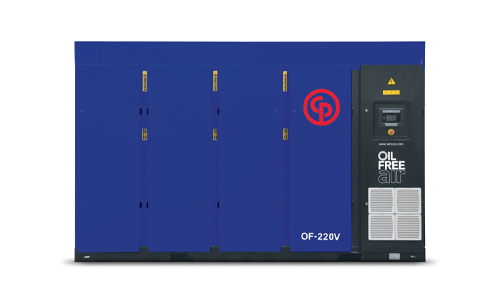
Oil-Injected, Rotary Screw Compressor
CPC Series 40-60 HP
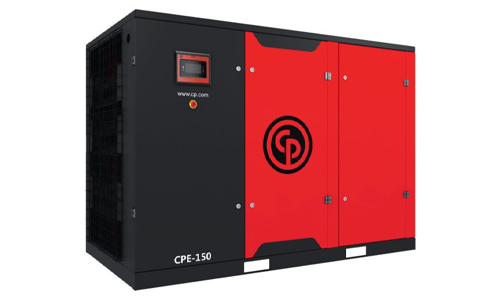
Oil-Injected, Rotary Screw Compressor
CPE Series 150 HP
Oil-Injected, Rotary Screw Compressor
CPF Series 180-220 HP
Oil-Injected, Rotary Screw Compressor
CPF Series 270-340 HP
Oil-Injected, Rotary Screw Compressor