
Dry Cooling Towers
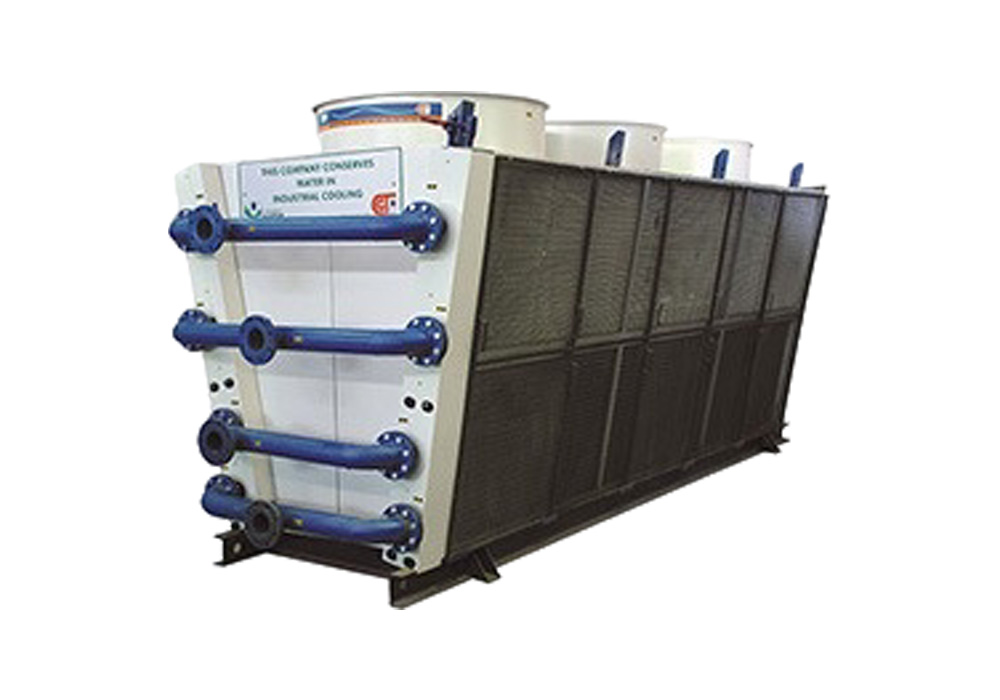
Introduction
Key Benefits
No Evaporative Water Consumption
No Scale Formation
Low Noise Operation
Reduced Maintenance
Clean Process Water
Corrosion-Resistant Enclosure
Why Choose Dry Cooling Towers?
Technical Specifications
| Specification | Details |
| Cooling Principle | Air-to-Water Heat Exchange |
| Cooling Type | Dry / Non-Evaporative |
| Process Circuit | Closed Loop |
| Heat Exchanger | Extended-Fin Copper Tube Coil |
| Tube Size | 5/8″ OD Copper Tube |
| Coil Construction | Level-Wound Coil with Hairpin Bends |
| Tube Arrangement | Staggered in Airflow Path |
| Fan Type | Axial Flow |
| Fan Design | Aerodynamically Balanced |
| Fan Drive | Electric Motor |
| Motor Protection | IP55 |
| Motor Shaft | Extended Stainless Steel |
| Enclosure | Fibreglass / GI Panels |
| Base Frame | Heavy-Duty Channel Frame |
| Structural Frame | Die-Formed Galvanized Steel |
| Water Connections | Inlet & Outlet on Same End |
| Coil Protection | Factory Pressure Tested |
| Venting | High-Point Vent Connection |
| Drainage | Low-Point Drain Connection |
| Expansion | Integrated Expansion Tank Arrangement |
How Does a Dry Cooling Tower Work?
A dry cooling tower removes heat from process water by transferring it through extended-surface coils to atmospheric air.
Step 1 – Hot Water Entry
Hot process water enters the copper heat-transfer coils.
Step 2 – Heat Transfer
Heat moves from the circulating water through the copper tube walls and extended fins.
Step 3 – Airflow Generation
Low-speed axial fans draw or move atmospheric air across the finned coils.
Step 4 – Heat Rejection
The heat transferred to the fins is carried away by the passing air.
Step 5 – Process Water Cooling
The cooled water exits the coil and returns to the connected process or equipment.
Step 6 – Continuous Circulation
The closed-loop cycle continues as the process generates additional heat.
Unlike evaporative cooling towers, the cooling process does not rely on evaporation, spray water or cooling-water blowdown.
Why Choose Dry Cooling Towers?
Water-Free Cooling
The dry cooling principle eliminates evaporative water consumption, making it suitable for locations where water availability is limited.
No Scale Formation
Because the process water remains isolated within the heat-transfer circuit, the system avoids the scale-related problems associated with exposed evaporative cooling water.
Clean Process Water
The closed circuit prevents atmospheric dust, dirt, fly ash and biological contaminants from mixing with the process water.
Low Maintenance
The system has no water spray pumps, sprinkler nozzles or evaporative fill requiring routine cleaning. The primary moving components are the fans and motors.
Efficient Heat Transfer
Staggered copper tubes and extended fins increase the available heat-transfer surface while supporting efficient airflow.
Low-Noise Fans
Aerodynamically balanced axial fans operate at relatively low speed to reduce noise while maintaining effective airflow.
Harsh-Environment Construction
IP55 motors with extended stainless-steel shafts are designed to withstand moisture, rain and dust.
Flexible Plant Location
Because the system does not require a continuous supply of cooling water, plant-location constraints associated with water availability are reduced.
Construction & Component Features
Heat Transfer Coils
- Imported 5/8″ OD copper tubes
- Level-wound coil construction
- Hairpin bends for fewer joints
- Uniform tube-wall thickness
- Staggered tube arrangement
- Mechanically expanded tubes
- Improved tube-to-fin bonding
- Pressure-tested after manufacture
Headers & Connections
- Heavy-wall steel inlet and outlet headers
- Reinforced brazed connections
- Inlet and outlet connections on the same end
- Convenient high-point vent
- Low-point drain
- Expansion-tank arrangement
Fan & Motor Assembly
- Aerodynamically balanced axial fans
- Low-speed operation
- Adjustable fan pitch
- High-efficiency airflow
- IP55 weatherproof motors
- Extended stainless-steel motor shafts
- Moisture-, rain- and dust-resistant construction
Tower Construction
- Heavy-duty channel base frame
- Fibreglass/GI enclosure panels
- Die-formed galvanized steel structural frame
- Corrosion-resistant construction
- Easy access for installation and maintenance
Industrial Applications

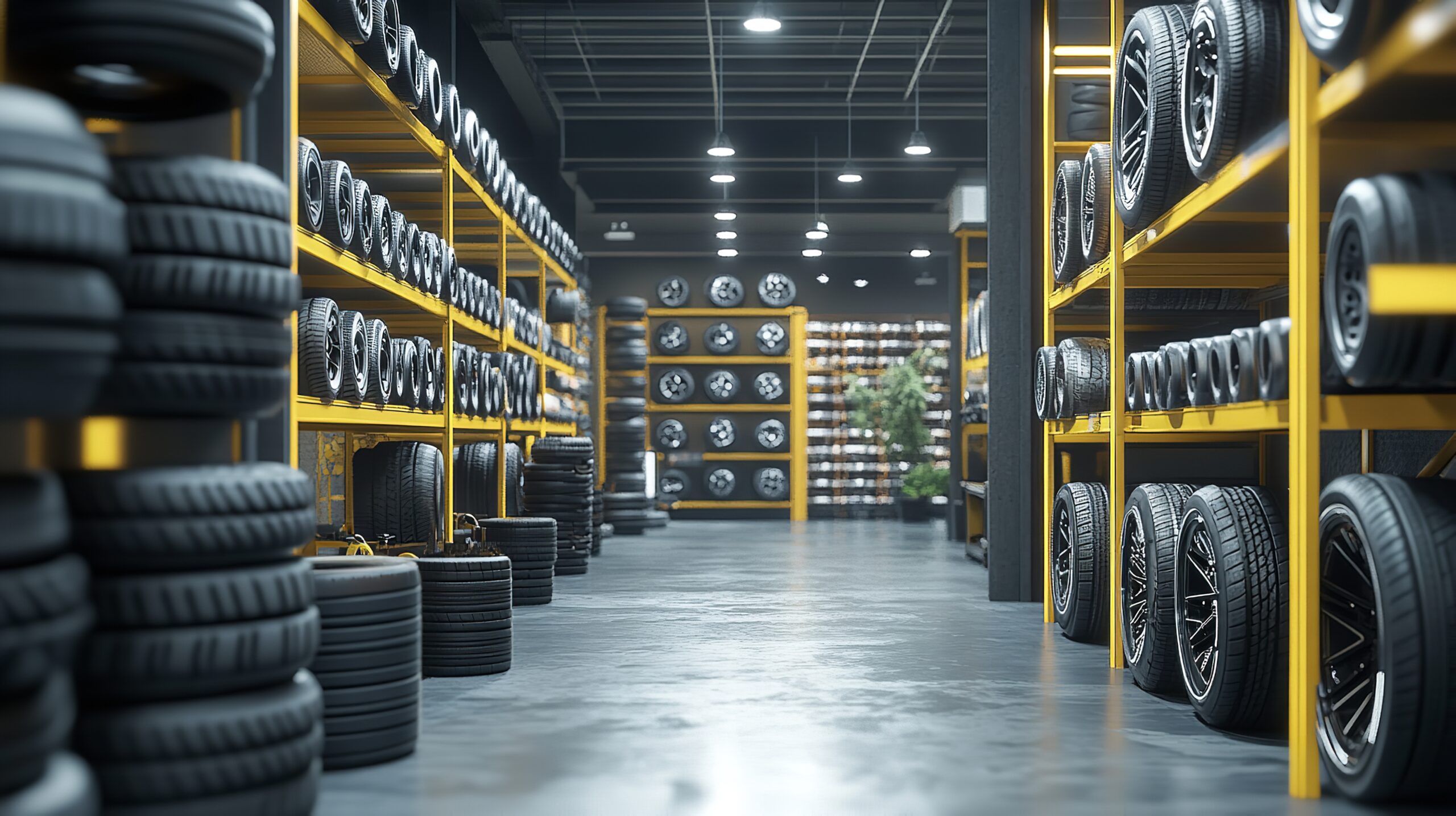
Automotive Manufacturing
Gas Generator Cooling

Power Generation

Industrial Process Cooling

Manufacturing Plants
Frequently Asked Questions
What is a dry cooling tower?
Does a dry cooling tower consume water?
How does a dry cooling tower cool process water?
Is a dry cooling tower suitable for diesel generators?
How much maintenance does a dry cooling tower require?
How is a dry cooling tower selected?
Related products
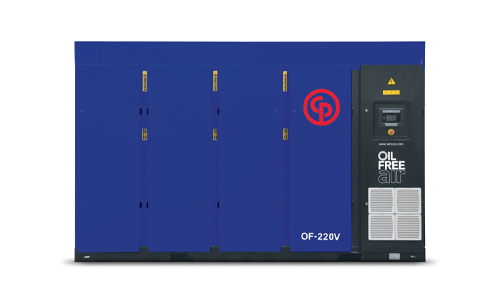
Oil-Injected, Rotary Screw Compressor
CPC Series 40-60 HP
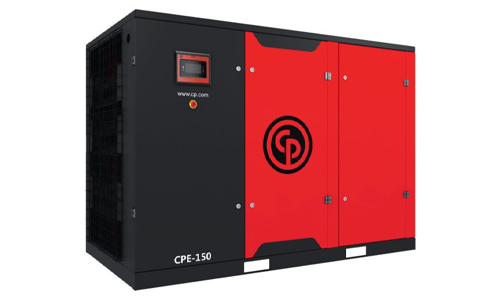
Oil-Injected, Rotary Screw Compressor
CPE Series 150 HP
Oil-Injected, Rotary Screw Compressor
CPF Series 180-220 HP
Oil-Injected, Rotary Screw Compressor
CPF Series 270-340 HP
Oil-Injected, Rotary Screw Compressor