Atcorp

Aluminium Compressed Air Piping System

Lightweight, corrosion-resistant aluminium piping for efficient compressed air distribution, offering low pressure losses, fast installation and reliable performance across industrial facilities.

Introduction

Atcorp’s aluminium compressed air piping solutions provide a modern alternative to conventional welded and threaded piping systems. Lightweight construction, corrosion resistance, smooth internal surfaces and modular connections help create efficient air distribution networks with reduced installation time and reliable airflow from the compressor room to the point of use.

Key Benefits

Lightweight Construction
Low Pressure Loss
Fast Installation
Corrosion Resistant
Leak-Resistant Connections
Modular & Expandable

Why Choose Aluminium Compressed Air Piping?

An efficient compressed air network needs more than just correctly sized pipes. The piping material, connections, pressure losses and installation method all affect system performance. Aluminium offers a lightweight, corrosion-resistant and modular solution for industrial compressed air distribution, helping businesses improve network efficiency while simplifying installation and future expansion.
Specification Aluminium Piping System
Material Extruded Aluminium Alloy EN AW-6060 T6
Applications Compressed Air, Vacuum, Nitrogen & Selected Inert Gases
Pipe Sizes 20–158 mm
Working Pressure Up to 16 bar(g)*
Working Temperature -20°C to 80°C
Vacuum Level Down to 13 mbar(a)
Safety Factor 4× MAWP
External Treatment Polyester Powder Coating
Internal Treatment Chrome-Free Conversion Treatment
Connection Modular Mechanical Connection
Design Standard EN 13480-3

The aluminium piping system creates a continuous distribution network that carries compressed air efficiently from the generation point to production equipment.


Step 1 – Air Generation
The compressor generates and treats compressed air to the required quality.


Step 2 – Main Distribution
The aluminium mainline transports compressed air across the facility.


Step 3 – Modular Connections
Pipes and fittings are connected using purpose-designed mechanical connections.


Step 4 – Efficient Airflow
The smooth internal surface helps minimize friction and pressure losses.


Step 5 – Point-of-Use Delivery
Compressed air is distributed to machinery, pneumatic tools and production stations.


Step 6 – Future Expansion
The modular network can be modified or extended as the facility grows.

Lightweight & Easy to Handle

Aluminium construction makes pipes easier to transport, position and install compared with heavier traditional piping materials.


Corrosion Resistant

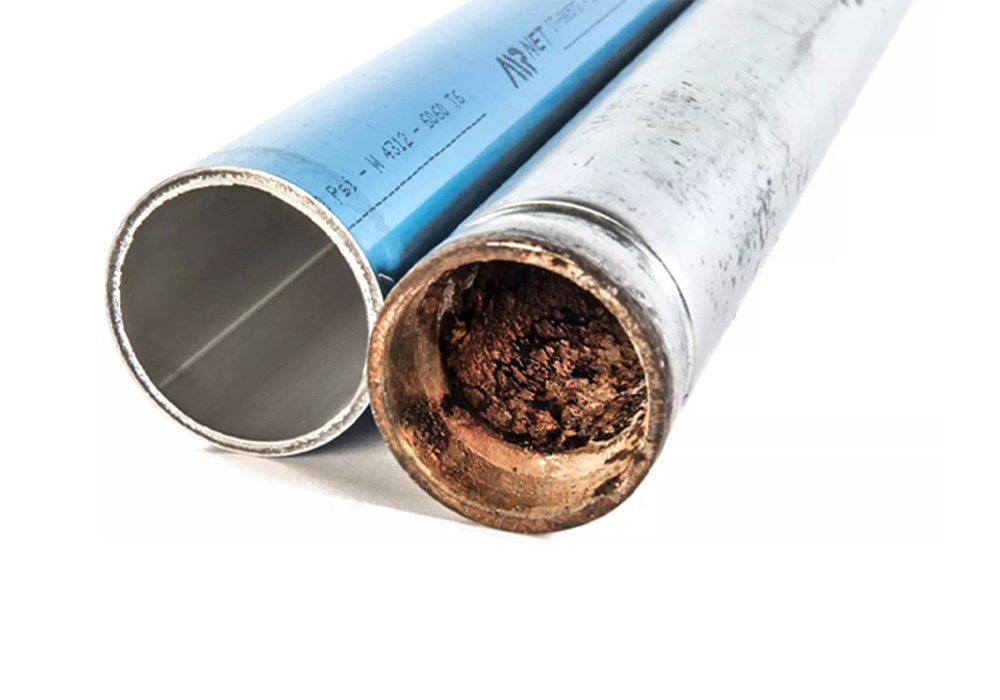
Aluminium provides strong resistance to internal corrosion, helping maintain the integrity of the compressed air network.


Efficient Airflow

Smooth internal surfaces reduce friction and help maintain efficient airflow throughout the distribution system.


Fast Installation

Modular mechanical connections reduce installation complexity and avoid conventional welding, gluing or crimping requirements.


Leak-Resistant Network

Purpose-designed joints and seals help reduce compressed air leakage, supporting overall system efficiency.


Easy to Modify

The modular design allows additional branches, drops and extensions to be incorporated as production requirements evolve.

Industrial Applications

Aluminium compressed air piping is suitable for a wide range of industrial facilities requiring efficient, reliable and easily expandable air distribution.

Frequently Asked Questions

Find answers about aluminium compressed air piping, including pressure loss, installation, durability, sizing and industrial applications.
Aluminium is lightweight, corrosion resistant and easy to handle, making it a practical choice for modern industrial compressed air distribution systems. Its smooth internal surface also supports efficient airflow with low friction.
Yes. A smooth internal surface helps reduce friction and pressure losses, allowing compressed air to reach points of use more efficiently when the network is correctly designed and sized.
The modular system uses mechanical connections designed for fast assembly. Installation does not require conventional welding, and the lightweight pipes can be handled using relatively simple installation tools.
The referenced technical information specifies working pressure up to 16 bar(g) for the aluminium range, with certain larger-diameter configurations having lower maximum pressure ratings. The final selection should always be based on the specific pipe diameter and system configuration.
The referenced aluminium range covers pipe diameters from approximately 20 mm to 158 mm, allowing configurations for different compressed air flow requirements and facility sizes.
Yes. The modular construction makes it easier to add branches, drops and extensions when production layouts or compressed air demand change.
The referenced aluminium system is designed for compressed air and vacuum applications and can also be configured for nitrogen and selected inert gases, subject to the applicable system specifications.
Yes. Atcorp can help Indian industrial customers evaluate flow, pressure, pipe diameter, network layout and application requirements, and provide suitable aluminium piping, fittings and related compressed air distribution components.

Related products

Oil-Injected, Rotary Screw Compressor

CPC Series 40-60 HP

Oil-Injected, Rotary Screw Compressor

CPE Series 150 HP

Oil-Injected, Rotary Screw Compressor

CPF Series 180-220 HP

Oil-Injected, Rotary Screw Compressor

CPF Series 270-340 HP

Oil-Injected, Rotary Screw Compressor

CPI Series 15-30 HP