
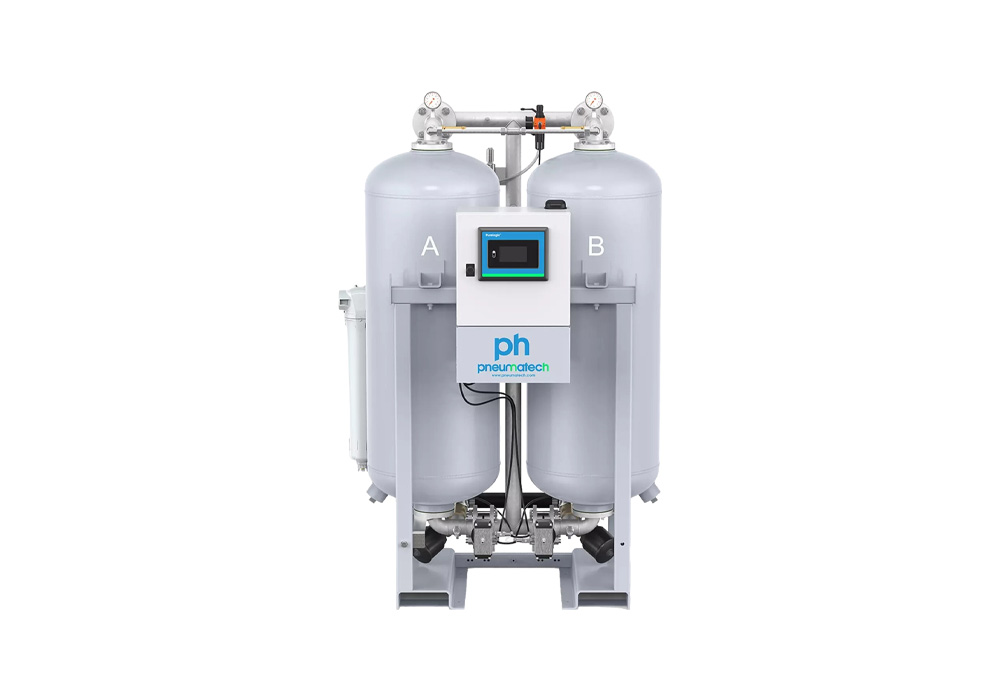
PH 230-635 HE
Introduction
Key Benefits
Low Noise During Purging
Low Pressure Drop
Optional -70°C PDP
Easy Transportation
Minimal Purge Losses
High Airflow Capacity
Why Choose pH 230–635 He Adsorption Dryers?
Technical Specifications
Model |
Nominal volume flow at dryer inlet (m3/h) |
|---|---|
PH 230 HE |
385 |
PH 320 HE |
540 |
PH 390 HE |
666 |
PH 530 HE |
900 |
PH 635 HE |
1080 |
How Does the PH 230–635 HE Work?
The PH 230–635 HE uses a two-vessel adsorption process with heatless regeneration.
Step 1 – Moist Compressed Air Entry
Compressed air containing water vapour enters the active adsorption vessel.
Step 2 – Filtration
The supplied filtration system helps protect the dryer and downstream equipment from contaminants.
Step 3 – Adsorption
The compressed air passes through the high-efficiency desiccant, which adsorbs moisture.
Step 4 – Dry Air Delivery
The treated compressed air exits the active vessel with a pressure dew point of approximately -40°C.
Step 5 – Desiccant Saturation
As the drying cycle continues, the active desiccant gradually accumulates moisture.
Step 6 – Counter-Current Regeneration
The second vessel is regenerated using dry, expanded purge air flowing in the opposite direction to the normal drying airflow.
Step 7 – Vessel Switching
Once regeneration is complete, the vessels switch roles automatically.
Step 8 – Continuous Drying
The regenerated vessel resumes drying while the other vessel enters regeneration, providing continuous dry compressed air.
Why Choose PH 230–635 HE?
-40°C Pressure Dew Point
The standard configuration provides a pressure dew point of -40°C / -40°F, helping protect compressed-air systems from condensation and moisture-related problems.
Optional -70°C Performance
A dedicated -70°C / -94°F version is available for applications requiring exceptionally dry compressed air.
High-Capacity Air Treatment
With capacities from 385 to 1,080 m³/h, the range is designed for larger industrial compressed-air systems.
Counter-Current Regeneration
Regeneration occurs against the direction of normal drying airflow, supporting efficient moisture removal and dependable dry-air performance.
Low Pressure Drop
The dryer is designed to minimize pressure loss, helping reduce the energy required to maintain downstream operating pressure.
Minimal Purge Losses
Purge-nozzle optimization and energy-management features help reduce unnecessary compressed-air consumption during regeneration.
High-Efficiency Desiccant
The selected desiccant provides effective moisture adsorption and supports reliable low-dew-point performance.
Reduced Risk of Desiccant Crushing
The large vessel diameter helps minimize the risk of desiccant damage, while an optional sonic nozzle is available for additional protection.
Robust Welded Vessel Construction
The welded vessel design provides a durable platform for demanding industrial applications, with a safety valve provided for each vessel.
Advanced Monitoring
PureLogic™ Touch control and monitoring provide greater visibility into dryer operation and performance.
Low Noise During Purging
The system is designed to keep purge-related noise levels low, improving the suitability of the dryer for industrial environments.
Features & Configuration Options
Drying Technology
- Heatless adsorption
- Two-vessel operating principle
- High-efficiency desiccant
- Counter-current regeneration
- -40°C standard PDP
- Dedicated -70°C PDP option
Energy Management
- PDP control
- Purge-nozzle optimization
- Low pressure drop
- Minimal purge losses
- Efficient regeneration
Mechanical Construction
- Welded vessels
- One safety valve per vessel
- Large vessel diameter
- Robust industrial construction
- Designed for transportation
Control & Monitoring
- PureLogic™ Touch controller
- Advanced dryer monitoring
- PDP control option
- Performance monitoring
- Remote monitoring capability
Available Options
- Dedicated -70°C PDP model
- Sonic nozzle
- HP purge nozzle optimization
- NEMA 4 electrical enclosure
- NEMA 4X electrical enclosure
- Reverse inlet/outlet piping
- Filter pressure-drop indication
- Stainless-steel tubing
- Heavy-duty paint for ASME models
Industrial Applications

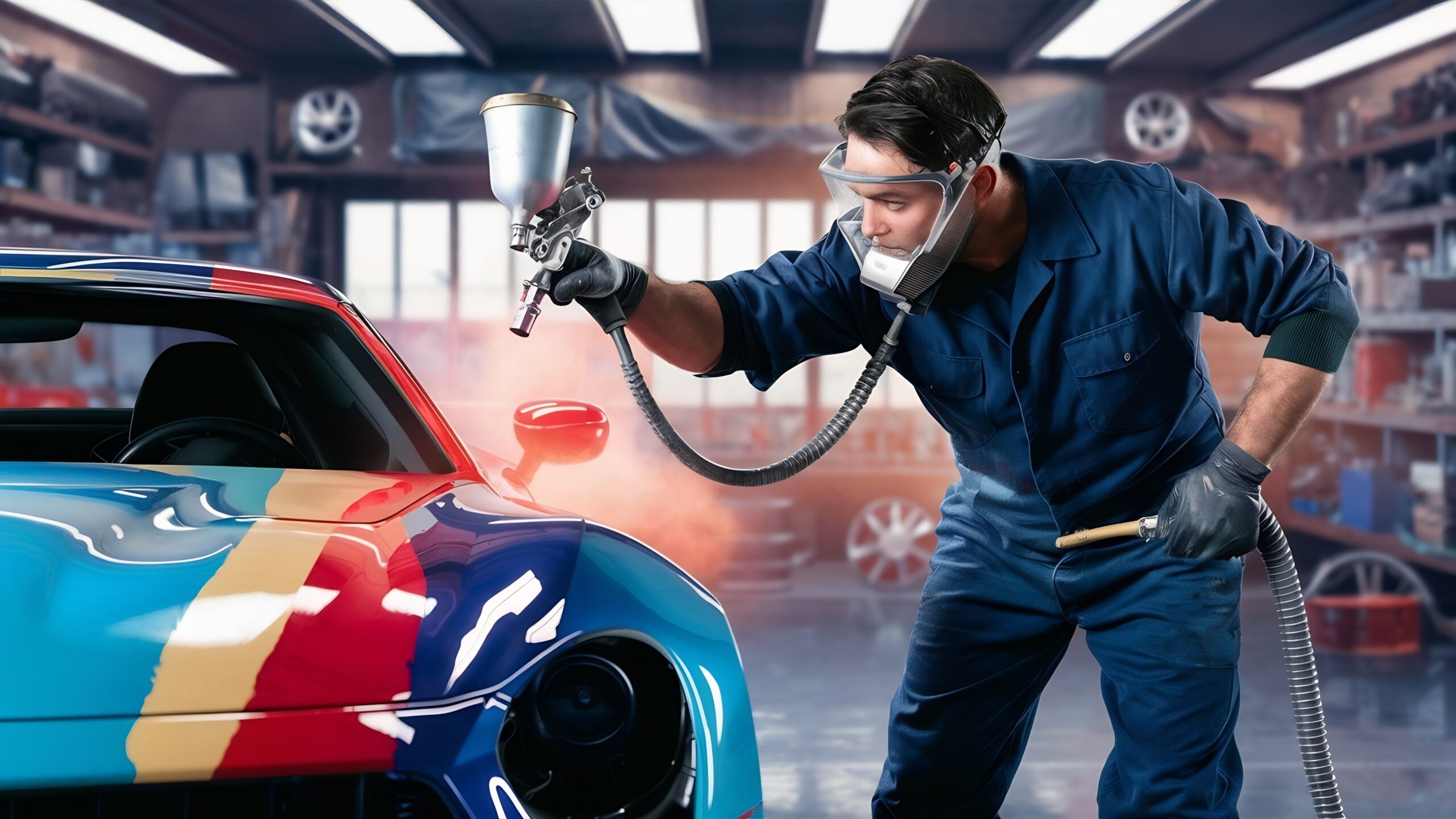
Automotive Manufacturing

General Manufacturing
Electronics Manufacturing

Chemical & Process Industries

Food & Beverage
Frequently Asked Questions
What is the PH 230–635 HE ?
What pressure dew point does the PH 230–635 HE provide?
What is the flow range?
What models are available?
How should the correct PH model be selected?
Can Atcorp help select and supply the PH 230–635 HE?
Related products
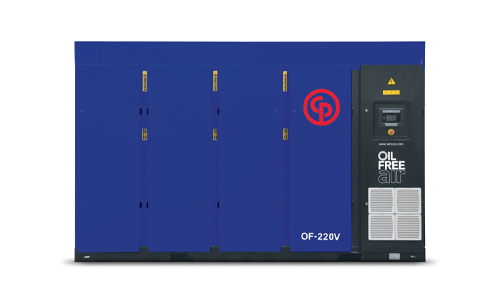
Oil-Injected, Rotary Screw Compressor
CPC Series 40-60 HP
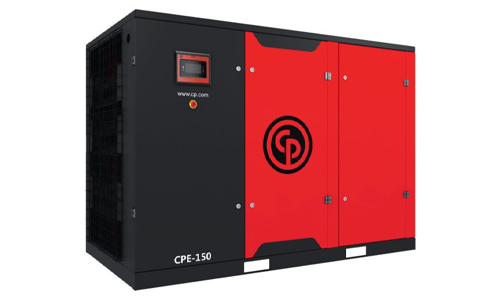
Oil-Injected, Rotary Screw Compressor
CPE Series 150 HP
Oil-Injected, Rotary Screw Compressor
CPF Series 180-220 HP
Oil-Injected, Rotary Screw Compressor
CPF Series 270-340 HP
Oil-Injected, Rotary Screw Compressor