
Mechanical Vaccum Boosters
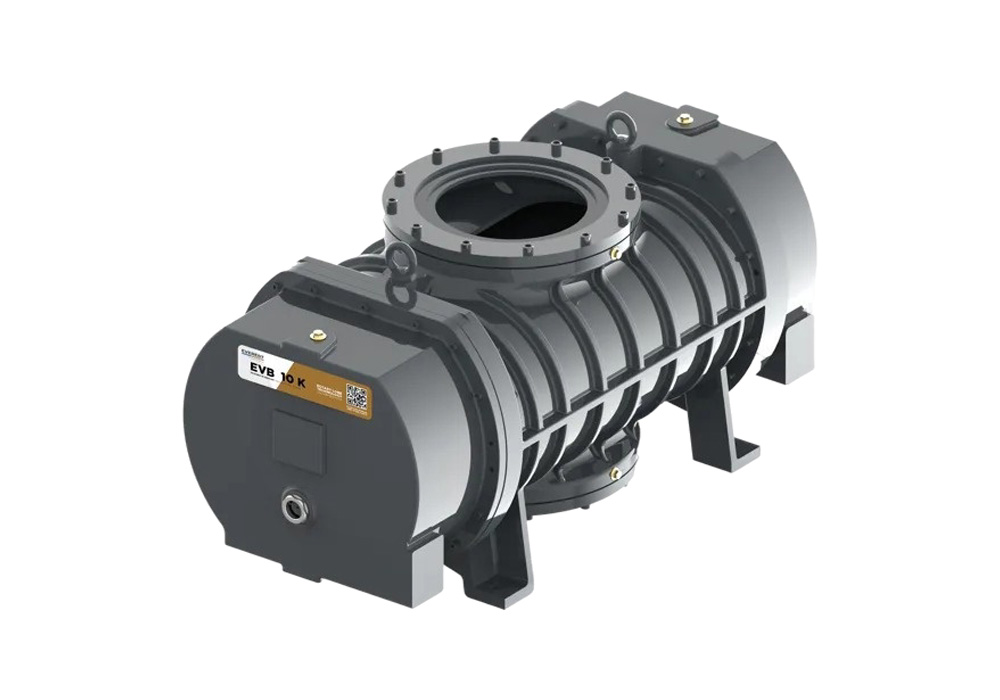
Introduction
Key Benefits
Fast Pump-Down
Higher Vacuum Performance
Lower Energy Consumption
Dry Pumping
High Volumetric Efficienc
Low Vibration
Why Choose Mechanical Vacuum Boosters?
Technical Specifications
| Specification | Mechanical Vacuum Booster |
| Pump Type | Positive Displacement Vacuum Booster |
| Pumping Principle | Twin-Lobe / Roots Type |
| Operation | Dry, Oil-Free Pumping Chamber |
| Pumping Capacity Range | 250–18,000 m³/h |
| Ultimate Vacuum* | Up to 0.001 mbar |
| Operating Range* | Approx. 0.001–100 mbar |
| Power Range* | 1.5–50 kW |
| Rotor Type | Dynamically Balanced |
| Internal Lubrication | No Pumping Fluid |
| Installation | With Suitable Backing Pump |
| Drive Options | Fixed Speed / Variable Frequency Drive |
How Does a Mechanical Vacuum Booster Work?
A mechanical vacuum booster increases the pumping speed of a vacuum system by rapidly transferring large quantities of gas at low pressure.
Step 1 – Gas Entry
Process gas or vapour enters the booster through the suction port.
Step 2 – Rotor Rotation
Two precisely synchronized lobed rotors rotate in opposite directions inside the casing.
Step 3 – Gas Trapping
The rotating lobes trap a defined volume of gas between the rotor and casing.
Step 4 – Gas Transfer
The trapped gas is carried from the suction side towards the discharge side.
Step 5 – Pressure Boosting
The booster increases the effective pumping capacity of the backing-pump system.
Step 6 – Continuous Evacuation
The backing pump handles the discharged gas while the booster maintains high pumping speed at low pressure.
Because the rotors operate with small clearances and without internal pumping fluid, the booster provides dry pumping and can handle gases and vapours without introducing sealing-fluid contamination.
Why Choose Mechanical Vacuum Boosters?
Faster Pump-Down
High pumping speeds help evacuate equipment faster, potentially reducing process cycle times.
Higher Pumping Capacity
A booster can substantially increase the effective pumping capacity of a suitable backing-pump arrangement.
Low-Pressure Efficiency
Mechanical boosters are particularly effective in the low-pressure range where conventional pumps can experience reduced volumetric efficiency.
Dry Operation
The booster pumping chamber does not require oil or another pumping fluid, supporting clean gas and vapour handling.
Energy Efficient
High volumetric pumping speeds combined with comparatively low power requirements can reduce energy consumption per unit of pumped volume.
Flexible System Integration
Boosters can be combined with oil-sealed, water-ring, dry screw and other suitable vacuum pumps.
Variable-Speed Operation
A suitable VFD can modify booster operating characteristics to match changing process and backing-pump requirements.
Low Maintenance Design
The booster has no internal pumping fluid, valves, rings or stuffing boxes, reducing routine maintenance requirements.
System Configuration & Options
Mechanical vacuum boosters are normally used as part of a complete vacuum pumping arrangement rather than as standalone atmospheric vacuum pumps.
Typical System Components
- Mechanical vacuum booster
- Backing / fore vacuum pump
- Inlet isolation valve
- Non-return valve
- Vacuum gauge or transmitter
- Bypass arrangement
- Variable Frequency Drive
- Electrical control panel
- Process condenser
- Inlet filter
- Vapour handling accessories
- Nitrogen purge arrangement
The appropriate combination depends on the required vacuum level, pumping speed, process vapour load and type of backing pump.
Industrial Applications

Vacuum Distillation
Chemical Processing
Pharmaceutical Manufacturing

Solvent Recovery

Oil & Process Industries
Frequently Asked Questions
What is a mechanical vacuum booster?
Can a mechanical vacuum booster work without a backing pump?
What type of backing pumps can be used?
What are the main advantages of a mechanical vacuum booster?
Is a mechanical vacuum booster oil-free?
Can mechanical vacuum boosters handle process vapours?
Can the booster be connected to an existing vacuum system?
Can the booster operate with variable speed?
How does Atcorp help with mechanical vacuum booster selection?
Related products
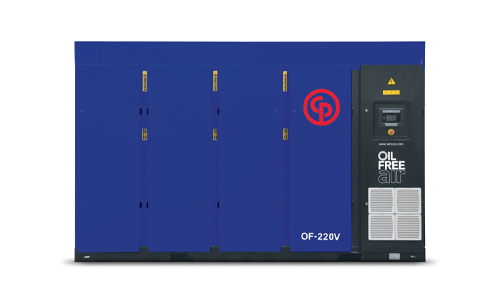
Oil-Injected, Rotary Screw Compressor
CPC Series 40-60 HP
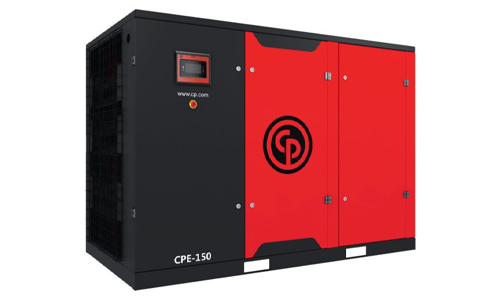
Oil-Injected, Rotary Screw Compressor
CPE Series 150 HP
Oil-Injected, Rotary Screw Compressor
CPF Series 180-220 HP
Oil-Injected, Rotary Screw Compressor
CPF Series 270-340 HP
Oil-Injected, Rotary Screw Compressor