
SuperVac Engineered Vacuum Systems
Introduction
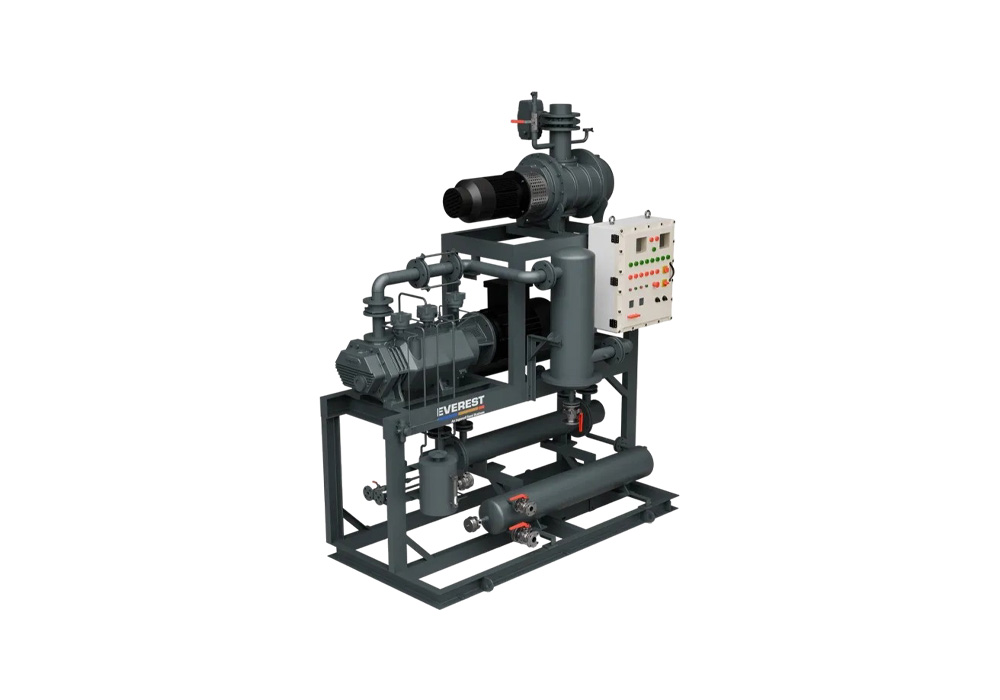
Atcorp provides SuperVac engineered vacuum system solutions for industrial processes where a standard vacuum pump may not be sufficient. The system can combine a mechanical vacuum booster, dry screw vacuum pump and application-specific accessories into a coordinated package, helping improve vacuum performance, energy efficiency, process reliability and ease of operation.
Key Benefits
Application-Specific Engineering
High Volumetric Efficiency
Process Vapour Management
Integrated Vacuum Package
Lower Operating Costs
Modular Configuration
Why Choose SuperVac Engineered Vacuum Systems?
Technical Specifications
| Specification | Engineered Vacuum System |
| System Type | Engineered Vacuum Package |
| Primary Technology | Mechanical Vacuum Booster + Dry Screw Vacuum Pump |
| Configuration | Application-Specific |
| Mounting | Common Skid Structure |
| Operation | Dry / Oil-Free Vacuum at Pumping Stage |
| Control | Electrical Control Panel / PLC / VFD Options |
| Vacuum Monitoring | Vacuum Gauge / Transmitter Options |
| Filtration | 1 or 5 Micron Inlet Filter Options |
| Condensation Management | Condenser with Receiver Options |
| Purge | Nitrogen Purge / Gas Ballast Options |
| Materials | SS304 / SS316 Options |
| Sealing | Application-Specific Seal Options |
How Does an Engineered Vacuum System Work?
An engineered vacuum package coordinates multiple vacuum components to create and maintain the required process vacuum.
Step 1 – Process Connection
Process vapours and gases enter the vacuum system through the suction connection.
Step 2 – Pre-Treatment
Filters, condensers or separators can remove particles and condensable vapours before they reach the vacuum pumps.
Step 3 – Vacuum Boosting
A mechanical vacuum booster increases pumping capacity and improves gas handling at suitable operating conditions.
Step 4 – Dry Vacuum Pumping
The dry screw vacuum pump provides the primary compression and evacuation stage without process sealing fluid.
Step 5 – System Control
Valves, sensors, VFDs and PLC controls coordinate system operation and monitor critical parameters.
Step 6 – Process Vacuum Delivery
The complete package maintains the required vacuum level for the connected industrial process.
Why Choose Engineered Vacuum Systems?
The main advantage is having the vacuum generation system configured around the process rather than assembling individual components independently.
Integrated System Design
Vacuum pumps, boosters, valves, controls and process accessories are selected as a coordinated package.
High-Efficiency Vacuum Generation
Mechanical boosting combined with dry screw pumping can provide high volumetric efficiency and optimized energy consumption.
Application-Specific Configuration
The package can be adapted to process conditions, vacuum requirements and vapour characteristics.
Process Vapour Handling
Condensers, filters, purge systems and flushing arrangements can be incorporated where required.
Skid-Mounted Package
Common skid construction helps simplify equipment placement, connection and commissioning.
Flexible Controls
VFD, PLC, electrical switchgear and vacuum monitoring options allow the package to be configured around the required level of automation.
Material & Seal Options
Special materials, coatings and seal configurations can be selected for demanding process conditions.
Easier System Integration
A coordinated engineered package reduces the complexity of sourcing and integrating multiple vacuum components separately
System Components & Accessories
The engineered vacuum system can be configured with a range of components depending on process requirements.
Standard / System Components
- Inlet port module with flanges and gauge point
- Electropneumatic suction isolation valve
- Non-return valve
- Common skid structure
- Nitrogen inlet purge / gas ballast module
- Nitrogen seal purge module
- Solvent flushing module with receiver
- Electric motor
- Electrical control panel
- Coupling and coupling guard
- Vacuum gauge
- Cooling water line module
Additional Options
- Variable Frequency Drive / inverter drive
- PLC logic controller
- Isolation MCB/MCCB
- Electrical switchgear
SS316 isolation valve - Discharge silencer
- Special mechanical seals
- Special O-ring materials
- Special surface coatings
Optional Process Accessories
- Vacuum transmitter
- 1-micron inlet filter
- 5-micron inlet filter
- Condenser with receiver
- Premium-efficiency electric motor
- SS304 to SS316 construction upgrade
Industrial Applications

Chemical Processing
Pharmaceutical Manufacturing
Vacuum Distillation

Vacuum Drying

Solvent Recovery
Frequently Asked Questions
What is an engineered vacuum system?
Why use an engineered vacuum system instead of a standalone vacuum pump?
What components are included in an engineered vacuum package?
What is the role of a mechanical vacuum booster?
Can the system handle process vapours?
Can the vacuum system be automated?
Can the system be customized for corrosive processes?
Is the vacuum system supplied as a skid-mounted package?
Can Atcorp help with engineered vacuum system selection?
Related products
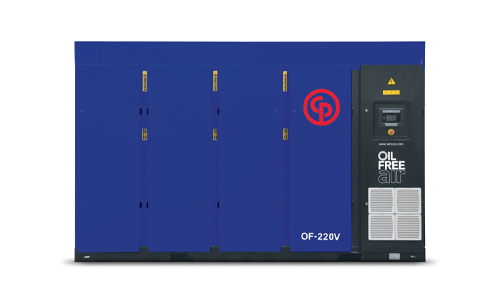
Oil-Injected, Rotary Screw Compressor
CPC Series 40-60 HP
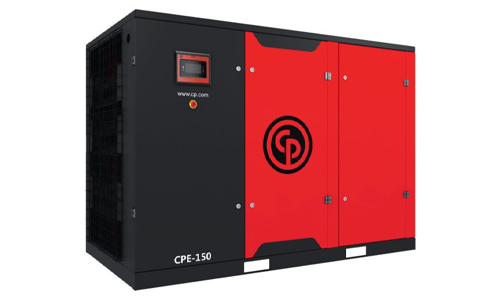
Oil-Injected, Rotary Screw Compressor
CPE Series 150 HP
Oil-Injected, Rotary Screw Compressor
CPF Series 180-220 HP
Oil-Injected, Rotary Screw Compressor
CPF Series 270-340 HP
Oil-Injected, Rotary Screw Compressor